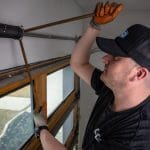
Every garage door makes some noise. But if yours has started squealing, grinding, or banging loud enough to wake the whole house, it’s trying to tell you something. A noisy garage door is often the first warning sign of worn parts, loose hardware, or a component that’s about to fail.
The good news? Many of the most common sounds have simple causes, and some can be quieted down in an afternoon with the right lubricant. Others are a signal to stop and call a pro. In this guide, the OGD® team breaks down what each sound means, how to lubricate your door the right way, and when a noisy garage door needs professional attention.

What Your Noisy Garage Door Is Telling You
Different noises point to different problems. Use this quick guide to narrow down what’s going on.
| The Sound | Most Likely Cause | DIY or Call a Pro? |
|---|---|---|
| Squeaking or squealing | Dry hinges, rollers, or springs | DIY: lubricate the moving parts |
| Grinding | Worn rollers, dirty or misaligned tracks | Clean tracks yourself. Call a pro for worn rollers or bent tracks. |
| Rattling | Loose nuts, bolts, or hardware | DIY: tighten hardware (never touch spring brackets or cable hardware) |
| Popping or creaking | Springs straining, dry spring coils | Lubricate. Call a pro if it gets worse. |
| A loud bang | Broken spring | Call a pro. Don’t use the door. |
| Scraping | Door rubbing the track, frame, or weather seal | Call a pro |
| Chain slapping | Loose chain on a chain-drive opener | Call a pro |
| Humming or straining from the opener | Broken spring, unbalanced door, or worn opener gears | Call a pro |
Common Garage Door Noises and What Causes Them
Squeaking and Squealing
This is the most common complaint we hear about a noisy garage door, and usually the easiest to fix. Squeaks come from metal rubbing against metal, most often at the hinges, roller bearings, or springs. Over time, lubricant dries out or collects dirt, and every open-and-close cycle gets a little louder. A good lubricant (more on that below) often quiets things down right away.
Grinding
A grinding sound usually means the rollers aren’t rolling smoothly. Worn-out roller bearings, cracked roller wheels, or dirt and debris packed into the tracks can all cause it. Grinding can also mean a track is bent or out of alignment, which forces the rollers to drag instead of glide. Learn how long these parts typically last in our guide to garage door spring, roller, and cable lifespans.
Rattling
Your door moves up and down thousands of times a year, and all that vibration slowly loosens nuts and bolts on the hinges, track brackets, and opener rail. Tightening loose hardware with a socket wrench can stop most rattles. Just don’t overtighten, and never loosen or adjust anything connected to the springs, cables, or bottom brackets. Those parts are under high tension.
Popping, Creaking, and Banging
Torsion springs make a slight creak as they wind and unwind, and dry spring coils can pop or squeak. That’s often fixed with a light coat of lubricant. A sudden, loud bang is a different story. That sound, which many homeowners mistake for a gunshot or something falling, often means a spring has snapped. If you hear a bang and the door suddenly feels very heavy or won’t open, don’t try to lift it or use the opener. Call for garage door spring repair.
Scraping
Scraping often means the door is rubbing against something it shouldn’t, such as the track, the door frame, or the weather seal. It can be a sign the door is shifting out of alignment or starting to come off track. Since a door that’s off track can fall, it’s best to have a technician take a look.
Opener Noises: Slapping, Humming, and Straining
Sometimes the noisy garage door isn’t the door at all. It’s the opener. On chain-drive openers, a loose chain can slap against the rail. A loud hum or strain often means the motor is working much harder than it should, which can point to a broken spring, an unbalanced door, or worn gears inside the opener. Running an opener that’s straining can burn out the motor, so it’s worth getting checked with professional garage door opener repair.

How to Lubricate Your Garage Door the Right Way
Regular lubrication is the single best way to prevent a noisy garage door. It also reduces wear on your parts so they last longer. Here’s how to do it safely.
Choose the Right Lubricant
Use a silicone-based or white lithium grease spray made for garage doors. You can find them at most hardware stores. Standard WD-40 is a great cleaner and water displacer, but it isn’t designed to be a long-lasting lubricant for garage door parts. It can actually strip away existing grease and leave parts drier than before. Heavy automotive grease isn’t a good fit either, since it attracts dirt and gums up moving parts.
What to Lubricate
- Hinges: Spray each hinge at the pivot points where the sections bend.
- Roller bearings: Spray the small bearings inside each roller. If you have nylon rollers, avoid soaking the nylon wheel itself.
- Torsion springs: Lightly coat the coils of the spring above the door. Spray only. Don’t touch or adjust the spring.
- Bearing plates: These sit at each end of the spring shaft above the door.
- Lock and arm bar: A little lubricant keeps a manual lock turning smoothly.
- Opener chain or screw drive: Check your opener’s manual first. Many chain and screw drives benefit from light lubrication, but belt drives usually don’t need any.
What Not to Lubricate
Skip the tracks. It’s tempting to grease them, but lubricant in the tracks collects dirt and can make the rollers slide instead of roll. Instead, wipe the tracks clean with a damp cloth and a mild household cleaner, then let them dry.
How Often to Lubricate
For most homes, lubricating your garage door twice a year is enough. A good habit is once in the spring and once in the fall. If you live in a very hot, very cold, or very dusty climate, or you use your door many times a day, you may want to do it more often. For more ways to keep your door in shape, see our garage door maintenance tips.
A Quick Safety Checklist Before You Start
- Close the door and unplug the opener so it can’t be activated while you work.
- Wear safety glasses, and keep a rag handy to wipe off drips.
- Never loosen, adjust, or remove springs, cables, or bottom brackets.
- Keep kids and pets out of the garage while you work.
Want to know which jobs are safe to handle yourself? Our guide to DIY garage door repair covers what you can do and what to leave to the pros.
Simple Ways to Make Your Garage Door Quieter
If lubrication and tightening hardware don’t fully solve your noisy garage door, a few upgrades can make a big difference.
- Upgrade to nylon rollers. Steel rollers without bearings are noisy and wear down tracks. Nylon rollers with sealed bearings run much more quietly.
- Switch to a belt-drive opener. Belt drives use a reinforced rubber belt instead of a metal chain and are some of the quietest openers available. Explore our garage door openers to see your options.
- Replace worn hinges. Cracked or worn hinges can squeak and rattle no matter how much lubricant you use.
- Consider an insulated door. Insulated doors tend to be more solid and dampen sound better than single-layer doors.
When a Noisy Garage Door Means It’s Time to Call a Pro
Some noises are more than an annoyance. Call a trained technician if:
- You heard a loud bang and the door won’t open or feels very heavy.
- The door is crooked, jerky, or looks like it’s coming off the track.
- The opener hums or strains but the door barely moves.
- Grinding or scraping continues after you clean the tracks and lubricate the parts.
- You see frayed cables, cracked rollers, or bent tracks.
- The noise keeps getting louder or changes suddenly.
Garage doors are heavy, and springs and cables are under extreme tension. The Consumer Product Safety Commission offers guidance on garage door safety, and the DASMA technical data sheets explain how garage door systems are designed to work. Our garage door safety guide also covers what every homeowner should know.
How OGD® Can Help
Our trained technicians diagnose the cause of a noisy garage door, replace worn parts, adjust and balance the door, and make sure everything is running safely and quietly. With same-day service, 24/7 availability, and warranties on our work, OGD® makes it easy to get your door back to quiet. Learn more about our garage door repair services.
Frequently Asked Questions About Noisy Garage Doors
Why is my garage door so loud all of a sudden?
A sudden change in noise usually means something has worn out, come loose, or broken. Squeaking points to dry parts, rattling to loose hardware, and grinding to worn rollers or dirty tracks. A loud bang followed by a heavy door often means a broken spring, which needs professional repair right away.
What is the best lubricant for a noisy garage door?
A silicone-based spray or white lithium grease made for garage doors is the best choice for a noisy garage door. These lubricants stay in place, resist dirt, and protect metal parts. Avoid using standard WD-40 as your only lubricant, since it’s designed to clean and displace water rather than provide long-lasting lubrication.
Should I lubricate my garage door tracks?
No. Lubricant in the tracks attracts dirt and can cause the rollers to slide instead of roll. Clean the tracks with a damp cloth and mild cleaner instead, and save the lubricant for hinges, roller bearings, springs, and bearing plates.
How often should I lubricate my garage door?
Twice a year works for most homes, ideally once in the spring and once in the fall. Doors that are used many times a day or face extreme heat, cold, or dust may need it more often.
Is a noisy garage door dangerous?
Not always, but it can be. A squeaky door usually just needs lubrication. Grinding, scraping, banging, or a straining opener can be signs of worn rollers, a broken spring, or a door coming off its track. If the noise comes with jerky movement or a door that feels heavy, stop using it and call a professional.
Can a noisy garage door opener be fixed?
Often, yes. A loose chain, worn gears, or a door that’s out of balance can make an opener noisy, and each can usually be repaired. If your opener is older and still loud after repairs, upgrading to a quieter belt-drive model may be the better option.
Get Your Noisy Garage Door Fixed Today
Don’t let a noisy garage door turn into a bigger, more expensive repair. If lubrication and tightening hardware don’t quiet things down, the OGD® team is ready to help with same-day service. Contact us online to schedule service with a technician near you.