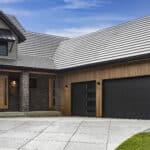
Smart garage door openers are no longer just convenience upgrades – they’re part of a modern home security system.
But most homeowners don’t actually understand how the technology works, what features matter, or how to evaluate long-term performance.
If you’re considering upgrading, here’s what you need to know about the security, mechanics, and real-world performance of today’s smart garage door openers.

What Makes a Garage Door Opener “Smart”?
A smart garage door opener connects to your home’s WiFi network and allows remote monitoring and control through a mobile app.
Unlike traditional openers that rely only on handheld remotes, smart systems provide:
- Real-time open/close alerts
- Remote access from anywhere
- Activity history logs
- Integration with smart home platforms
- Advanced encryption security
The key difference isn’t just app control-it’s visibility and monitoring.
How Rolling Code Technology Actually Works
Older garage door openers used fixed-code remotes. That means the same radio signal was transmitted every time the button was pressed.
This created vulnerability to “code grabbing” devices.
Modern smart openers use rolling code technology, which:
- Generates a new encrypted access code every time the remote is used
- Synchronizes between the remote and opener
- Prevents replay attacks
Each activation changes the code from billions of possible combinations, making unauthorized duplication extremely difficult.
This is one of the biggest security upgrades in modern openers.
Encryption & App Security: What Protects Your System
Smart openers use encrypted cloud communication between:
- Your mobile device
- The opener
- The manufacturer’s servers
Most major brands use secure authentication protocols similar to online banking apps.
Some systems also offer:
- Two-factor authentication
- Biometric login via smartphone
- Secure guest access permissions
The strength of app-level encryption is just as important as the physical motor itself.
Horsepower Matters More Than Most People Realize
Garage door openers are rated by horsepower (HP).
Choosing the right power level improves longevity and reduces strain.
Typical Ratings:
- ½ HP-Standard single-car steel doors
- ¾ HP-Heavier insulated or double-car doors
- 1 to 1¼ HP-Oversized, solid wood, or high-cycle doors
Undersized motors wear out faster and operate louder.
Belt Drive
- Rubber belt system
- Quieter operation
- Lower vibration
- Ideal for attached garages

Chain Drive
- Metal chain system
- Durable and affordable
- Slightly louder
- Strong lifting capacity

Jackshaft (Wall-Mounted)
- Mounted beside the door
- Frees ceiling space
- Often includes advanced security features
- Premium option
Drive type affects long-term wear and maintenance costs.

Battery Backup: Why It’s Now Essential
Many modern building codes require battery backup systems. Why? Because during power outages, standard openers stop functioning entirely.
Battery backup systems typically:
- Provide 20–50 open/close cycles during outages
- Maintain security and access
- Prevent lockout situations
In storm-prone areas, this is a critical feature.
Average Lifespan of a Smart Garage Door Opener
A well-installed smart opener typically lasts:
10–15 years
Factors that affect lifespan:
- Door weight
- Cycle frequency
- Climate conditions
- Maintenance habits
- Proper motor sizing
High-use households may see earlier wear.
Common Smart Opener Failure Points
Even modern systems have vulnerabilities.
Most common issues include:
- Worn internal gears
- WiFi connectivity loss
- Outdated firmware
- Sensor misalignment
- Battery degradation
Routine inspections and software updates extend system life.
How Smart Openers Improve Security
Smart openers add security layers beyond traditional systems:
- Real-time entry alerts
- Remote access shutdown
- Temporary access codes
- Integration with security cameras
- Delivery access monitoring
Because the garage is one of the most common home entry points, monitoring matters.
For more on this topic, see our guide on how smart garage doors improve home security.
What Most Homeowners Overlook
Here are key factors often missed during purchase decisions:
- Motor power must match door weight
- WiFi strength affects reliability
- Firmware updates matter for security
- Cheap models may lack encryption depth
- Professional installation affects longevity
The opener is only as good as its setup.
Cost Breakdown in 2026
Average pricing:
- Smart opener unit: $250–$600
- Professional installation: $200–$500
- Total installed cost: $450–$1,100
Higher-end models with cameras or jackshaft systems may exceed that range.
Is a Smart Garage Door Opener Worth It?
If your current opener:
- Is over 10–15 years old
- Uses fixed-code remotes
- Lacks smartphone monitoring
- Does not have battery backup
Then yes-upgrading offers both convenience and measurable security improvements.
If your opener is newer and already uses rolling code technology, the benefit may be more about convenience than security.
Frequently Asked Questions
Are smart garage door openers secure?
Yes. Modern models use rolling code encryption and secure app authentication to reduce hacking risks.
Can smart garage door openers be hacked?
Like any connected device, vulnerabilities exist-but encrypted systems with two-factor authentication significantly reduce risk.
Are garage doors a common entry point for burglaries?
Yes. According to the U.S. Department of Justice’s Bureau of Justice Statistics, residential burglary remains a significant concern nationwide, making it important to secure all potential entry points including garage doors. Upgrading to a smart garage door opener with rolling code encryption and real-time alerts adds an extra layer of protection against unauthorized access.
Do smart openers increase home value?
Smart home features are increasingly attractive to buyers and may improve resale appeal.
How often should a smart garage door opener be replaced?
Most last 10–15 years depending on usage and maintenance.
Final Thoughts
Smart garage door openers are more than just app-controlled convenience tools.
They combine:
- Mechanical engineering
- Encrypted digital security
- Remote monitoring
- Battery backup systems
- Smart home integration
When properly selected and professionally installed, they become a critical part of your home’s overall security infrastructure.
If you’re considering upgrading, focus on power rating, encryption quality, battery backup, and professional setup-not just price.